

Finding Creativity in Constraints
Among all the drinks on the shelf, I chose a bottle of water — because I knew I was just thirsty.

Hey, fellow Stackers 👋
Recently I came across a theory called “the paradox of choice”: having too many options doesn’t make us happier. It brings stress and anxiety instead.
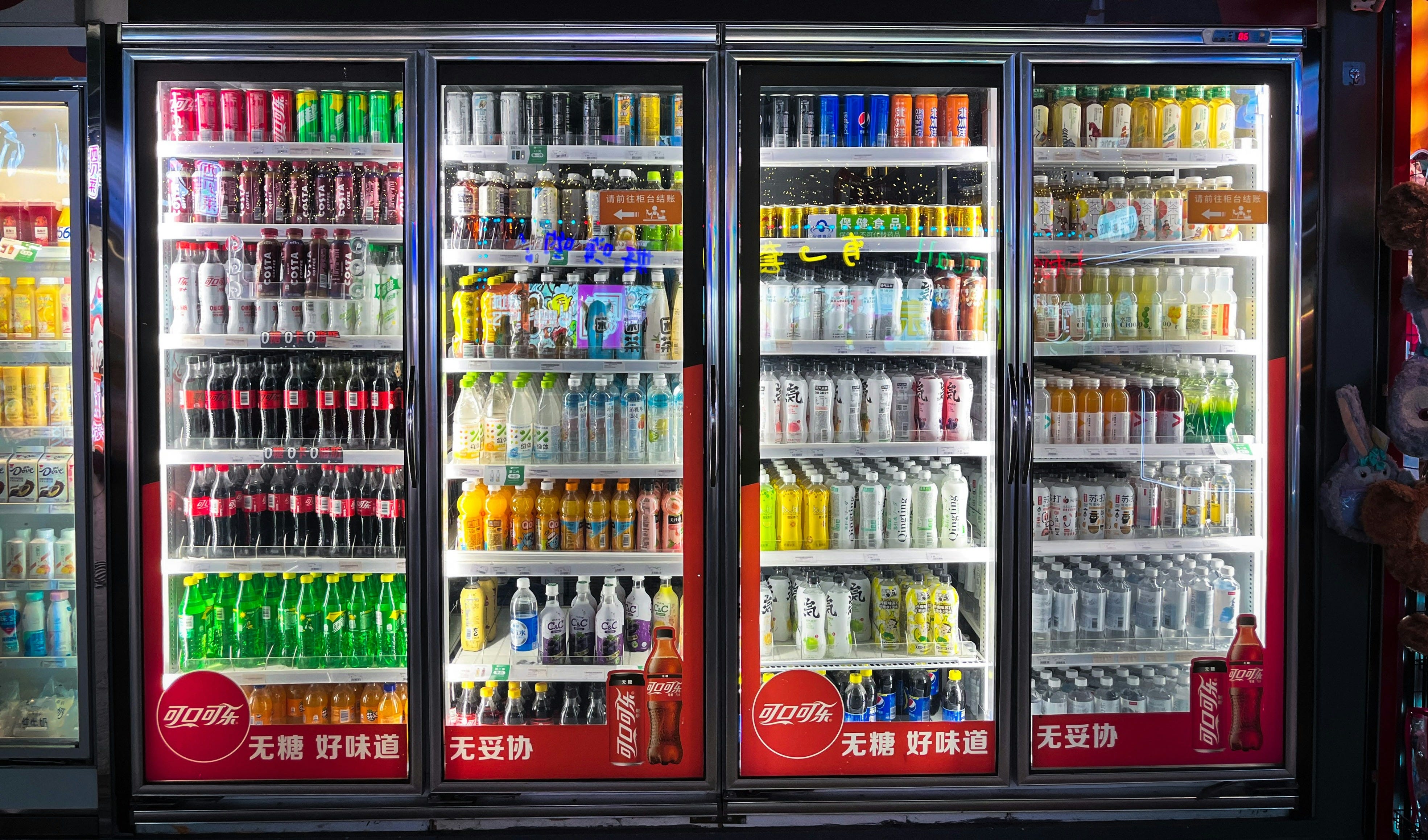
It reminded me of standing in front of a drink fridge. So many bottles, all lined up. I stood there, hesitating, not knowing which one I wanted. I guess that’s what people call choice paralysis.
Too many options make it hard for me to decide. Writing feels the same. When I start an article, I have too many ideas I want to express, too many stories I want to share — and the piece always ends up long and messy.
For a long time, I believed creativity came from a free and wild imagination. The fewer the limits, the more creative you are.
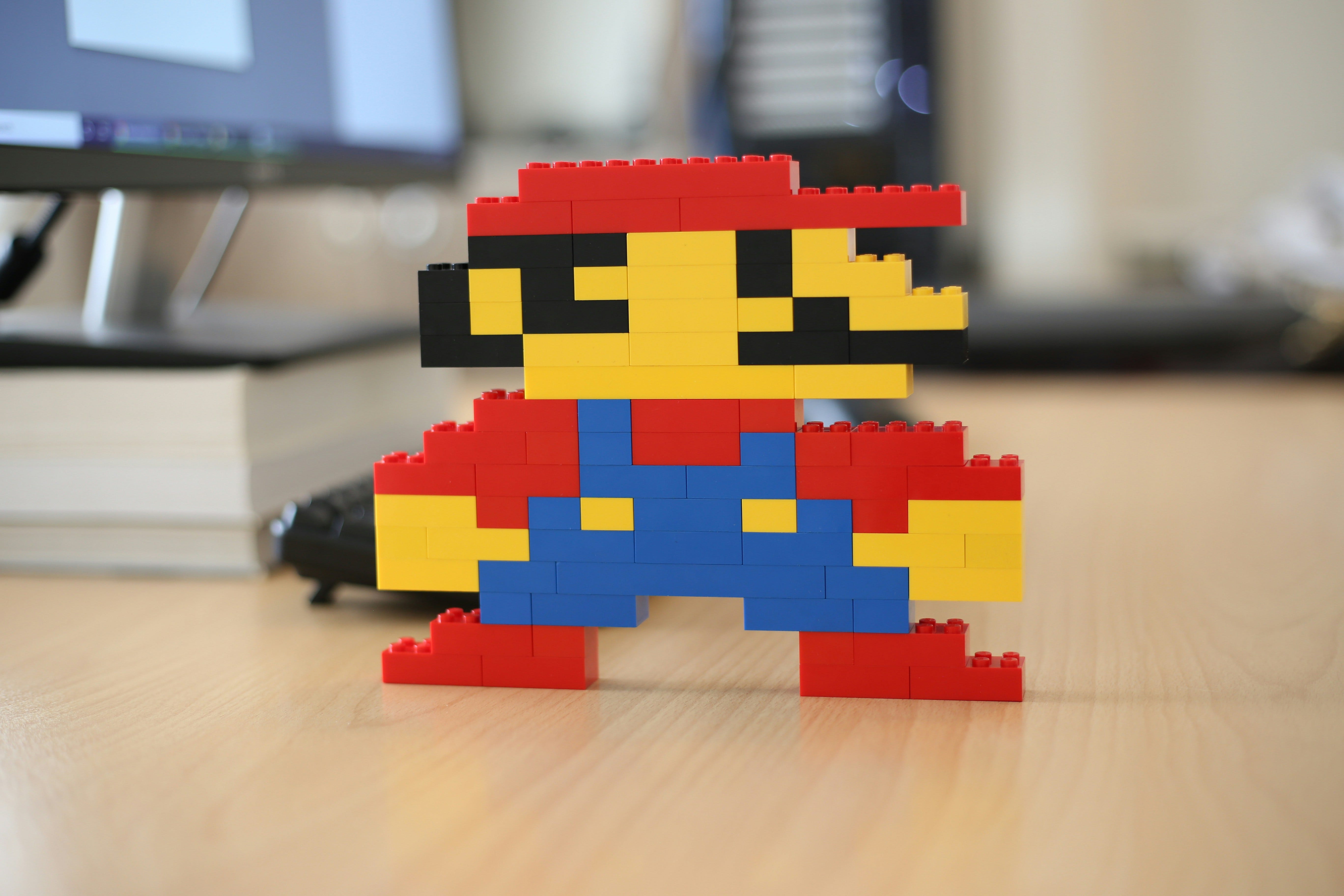
Then the story of Mario made me hesitate. Mario’s look was designed under the limits of display hardware. The limits pushed Miyamoto’s team to focus on how to show Mario’s character in a tiny space — the hat, the mustache, the overalls. These choices made Mario instantly recognizable, and the design has lasted until today.
The same thing happened when Spielberg was filming Jaws.
They were shooting on the open Atlantic. Unpredictable waves and corrosive salt water kept breaking the mechanical shark.
So Spielberg rewrote the script and cut most of the shark’s screen time. In a 124-minute film, the shark appears for only 4 minutes. The result was unexpected: people never see the shark, but they see the panic and disaster it leaves behind, again and again. And not knowing made the audience more and more afraid.
The opening scene, where Chrissie is attacked, became one of the most classic scenes in film. The camera sinks underwater, watching her swim alone on the surface. Dark water. A restless sea. Something seems to be there. Then, suddenly, she starts thrashing in pain — and disappears from the frame. It is far more powerful than showing the shark biting her.
Mario and Jaws both found their creativity under external limits. So what happens when the limits disappear?
Spielberg’s answer was still restraint.
In 1993, new CG technology made it possible to bring dinosaurs onto the screen, and Jurassic Park was released. This time, there was no broken mechanical shark.
To be honest, CG was expensive back then. Using it heavily would have blown the budget. In the 127-minute film, dinosaurs appear for only about 15 minutes, and only 6 of those minutes are CG. So part of that restraint was forced by reality.
But another part was Spielberg’s own choice.
For the first twenty minutes, not a single dinosaur appears.
And when the T. rex finally shows up, the audience doesn’t see it first — they see shaking trees, trembling ground, and ripples in a cup of water.
All that build-up made people nervous about the dinosaur’s arrival, and made every appearance far more powerful than expected.
So the real source of creativity comes not only from external limits, but also from our inner restraint.
In the age of AI, this kind of restraint matters even more. A ship called AI can carry us far without ever getting tired — but if we, the captains, don’t know where it’s going, that’s a disaster.
I let AI help me collect material and review my drafts from different angles. But it doesn’t think for me, and it doesn’t write for me.
The key to creating is the writing process itself: thinking about how to make a paragraph more fun, so the reader smiles; thinking about how to deliver a clear message in the simplest way; thinking about what I want the final piece to look like. Somewhere in that thinking, the work is born.
Stephen King said that every writer has an Ideal Reader. When we have a real reader in mind, we write for them. We know clearly what we’re trying to say, and we think again and again about how to say it better.
External limits give us a new angle. Inner restraint tells us what we want. Find the theme, write the story, then polish it over and over — and creativity is quietly born in that process.
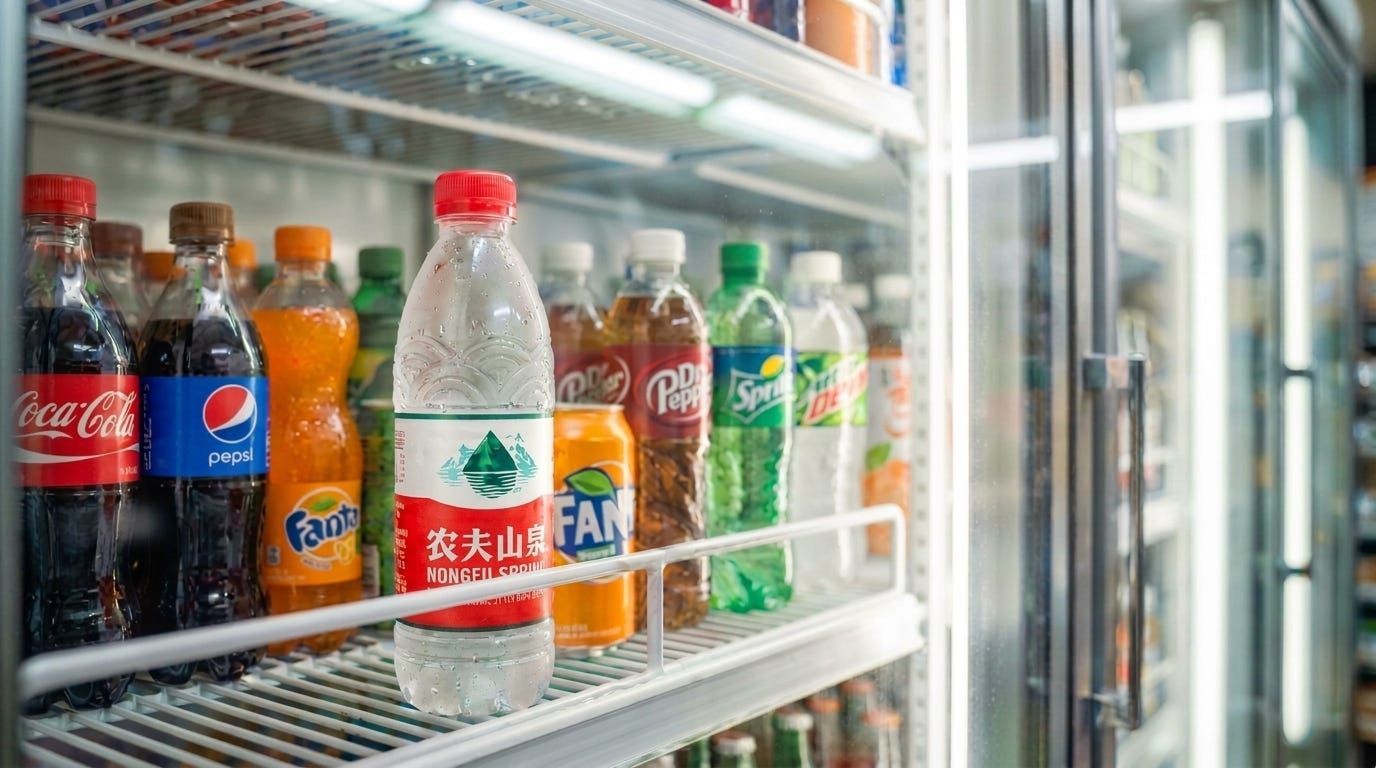
At the end of my drink-fridge story, I bought a bottle of water. Because I knew I was just thirsty. When you know what you want, having more choices is actually a kind of happiness.
Have you run into limits in your own creative work? How did you create within them? I’d love to hear your story :)
If you enjoy my writing, feel free to subscribe to my newsletter :)
Amazing read
I really appreciate your way of viewing the tech and nature
Just highlighting this part
For a long time, I believed creativity came from a free and wild imagination. The fewer the limits, the more creative you are
let AI help me collect material and review my drafts from different angles. But it doesn’t think for me, and it doesn’t write for me
External limits give us a new angle. Inner restraint tells us what we want