


This week’s list:
1. Discussion: how to survive as a creator
2. Creative Bits
Discussion
Without creation, we can’t live. But surviving as a creator is way harder than imagined. In Kit’s survey of about a thousand creators, over half make less than $10,000 a year from creation.
As creators, if we want to go far on the path of creation, we have no choice but to learn how to make a living in the process. Maybe we’ll scroll past plenty of “how someone made $100k in 3 months” stories. Forget that noise. Around me, nothing has ever gone that smoothly. Yes, never.
This week I watched a talk from 10 years ago: The No Hit Wonder – 11 Years and Still Going. How?, from indie game creator Jake Birkett. Birkett shared how he, as an indie dev who never hit the “viral lottery,” made a living to stay on this path for 11 years. No crazy wealth parties. Just a tiny wish to stay alive.
The talk is an hour long. Key points below:
Define success as “still being able to make games”, not making a hit
You probably won’t get a hit—accept it earlier, study how to survive earlier
Keep project scope controllable, release first; don’t trade unhealthy deadlines for so-called success
Long tail + portfolio to tank consecutive flops (year one is often just a small piece of lifetime income)
Keep accounts. Even if it’s just you, calculate cost per hour and revenue per hour
Say Yes early on; later, say No based on “whether it brings growth / fits long-term goals”
Don’t make project decisions in desperation
Community and reliable partners matter a lot in the long run
Think 5–10 years. Don’t quit
It took Jake eleven years to summarize these experiences. This is why the talk is an hour long. Between the key points, Jake threw in tons of personal experiences. How he reached these conclusions—I think this is way more important than the conclusions themselves.
Jake walking onto this path wasn’t some “quit everything to chase dreams” commercial. Very early on, he was messing with computers and BASIC language, later making a living at a commercial software company. Game started as a part-time ambition—a kung fu action game, thought too big, quit and went all-in only to find the market wasn’t ready, so he cut it decisively, switching to casual mini-games that already had market awareness. What pushed him from “wanting to do” to “daring to do” started with Jake reading Steve Pavlina’s text on desire and action; in the talk Jake mentioned, the motivation that repeatedly popped up after actually starting was: going indie is hard, there are easier ways to make money outside, chose to stick around because he still wanted to keep making games.
The process was very unglamorous. After the first two casual games failed with barely a splash, there were nearly 18 months with almost zero game income. In those days he tried IT consulting, relied on his wife’s part-time job, maneuvered with renovation loans and credit cards, pressed expenses down so low there was no room left—he joked this was his “no other choice” way to survive, not a recommendation list. Later entering Big Fish for contract and short-term employment, like hiding behind a wall in a shooter game to regen health, paying off debt bit by bit. Halfway through, his father’s passing forced him to re-weigh chasing dreams versus cherishing family time. Still short on cash, he took a mobile porting contract from a friend, which dragged into what he calls his worst project. The lesson was written hard: don’t decide what to do next in desperation. Sprinting seasonal titles, he once pushed himself to unhealthy hours; after an all-nighter, a health crisis hit at home, hospital stay consuming even more time. Remember, want it sustainable, never think life can be endlessly overdrawn.
Jake sees success very plainly—plain down to just being able to keep creating. Gosh, have we all forgotten this simple expectation? All those noisy content about quick success make it look like we create just to make money. Made money, then what? Stop creating? Of course not. If we can keep creating, we don’t necessarily have to hit big money to get that chance. Like Jake, realizing a tiny success is enough to support us continuing, and working toward tiny successes, this makes us more planned, and easier to build confidence.
Jake’s pragmatism didn’t come from sacrificing detail and quality. He made many card games, each building on lessons from the previous, realizing ideas he couldn’t hit before. As for accounting and calculating hourly cost and income, this habit is great. In Jake’s words, our brain naturally has the ability to drive us to fix risks once it senses them. Keeping accounts is precisely for this natural feedback, so we can walk toward a more sustainable path.
Heard so much so-called “fast iteration”, “fast action”, all seeming to push us to drop details, ignore the process, close our eyes and pray to hit results by probability. Jake’s way made me truly agree that fast action and continuously improving work quality aren’t in conflict. The secret is breaking long-term goals (like making a fun card game series) into small loops that can iterate and verify independently (Step 1: make a card game), chaining these loops together toward the goal. Every step reachable by effort.
Right, remember the last Creator Weekly about TCI’s 10th anniversary? In it we pasted a link to an article on how creators survive in capitalism. Also talking about creator survival, just as that article said, creators can’t stay away from capitalism because it’s how our current world operates, and mentioned capitalism desperately needs creators because creator innovation lets capitalism output better things. Yes, creator situation isn’t easy, continuously contributing to the world while only cautiously chasing returns. Jake’s experience serves as a great real-world supplement to that piece.
And exciting good news I must share with you. About ten years after this talk—May this year—Jake’s new work with Night Signal Entertainment, Forbidden Solitaire, launched. About 48 hours after release, official sales already hit 10,000 copies, overwhelmingly positive reviews. This is almost a hit! Congrats Jake. In over twenty years of indie creation, his wife has joined the studio, and both of his sons have finished college and joined in as well.
Creative Bits
1. Organic animations for A24
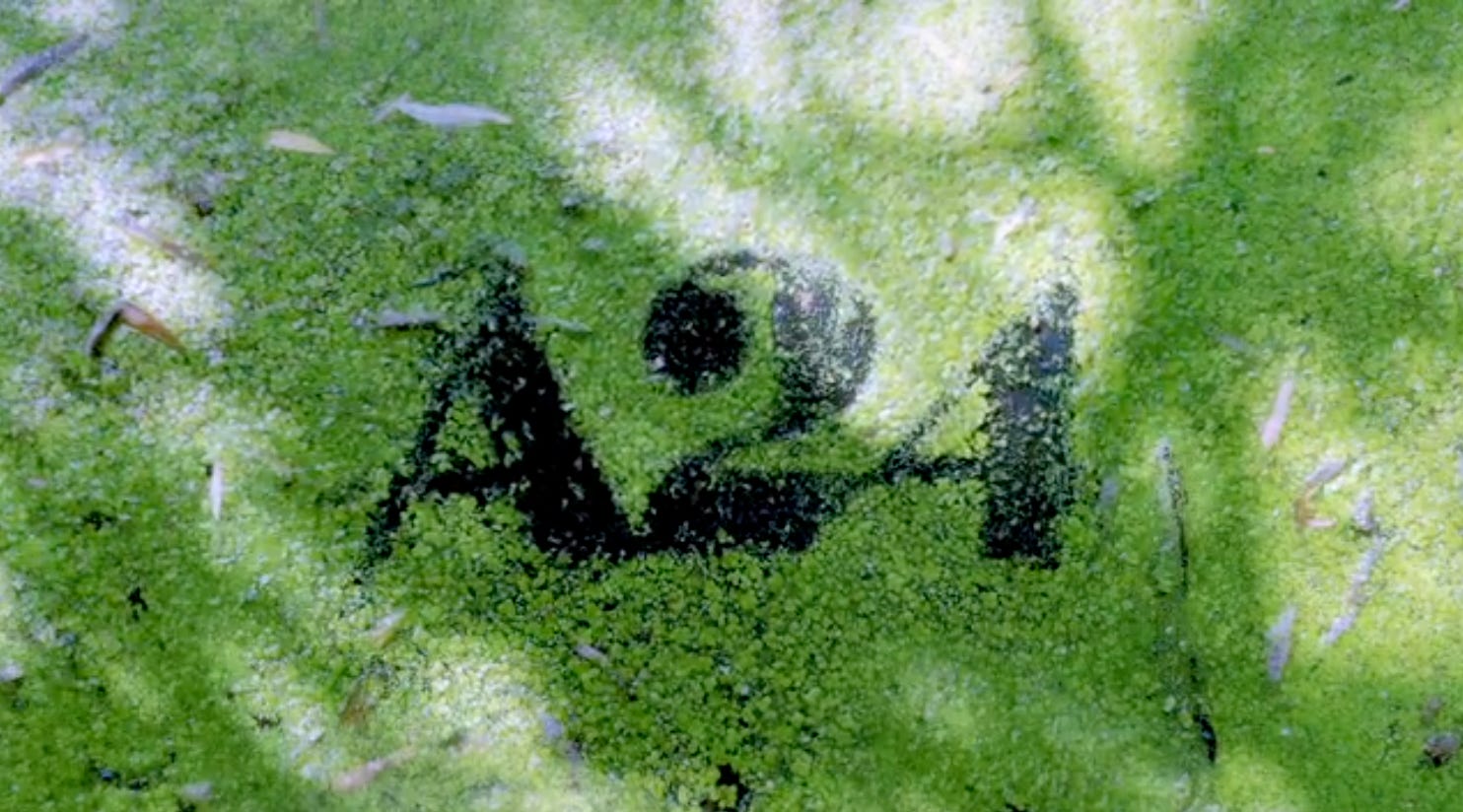
Nik Arthur creates experimental stop-motion animations in Montreal using natural materials such as swamp duckweed and decaying leaves, producing visual work for A24 and J. Cole. The approach of making animation is entirely with real natural material. (Tip: You can watch the animation video by clicking the title)
2. Transforms Facebook Marketplace listings into art


Freelance graphic designer Casey Roarty spent hours on Facebook Marketplace while moving, scrolling through second-hand furniture and decor. He noticed these casual, even rough photos people take just to sell stuff had a kind of accidental beauty. He cropped some of them, simplified them, added hand-drawn marks, and turned them into something else. For me, what’s nice about the project is that it’s really just about finding and making art out of everyday life.
3. Slate went back to its 1996 homepage
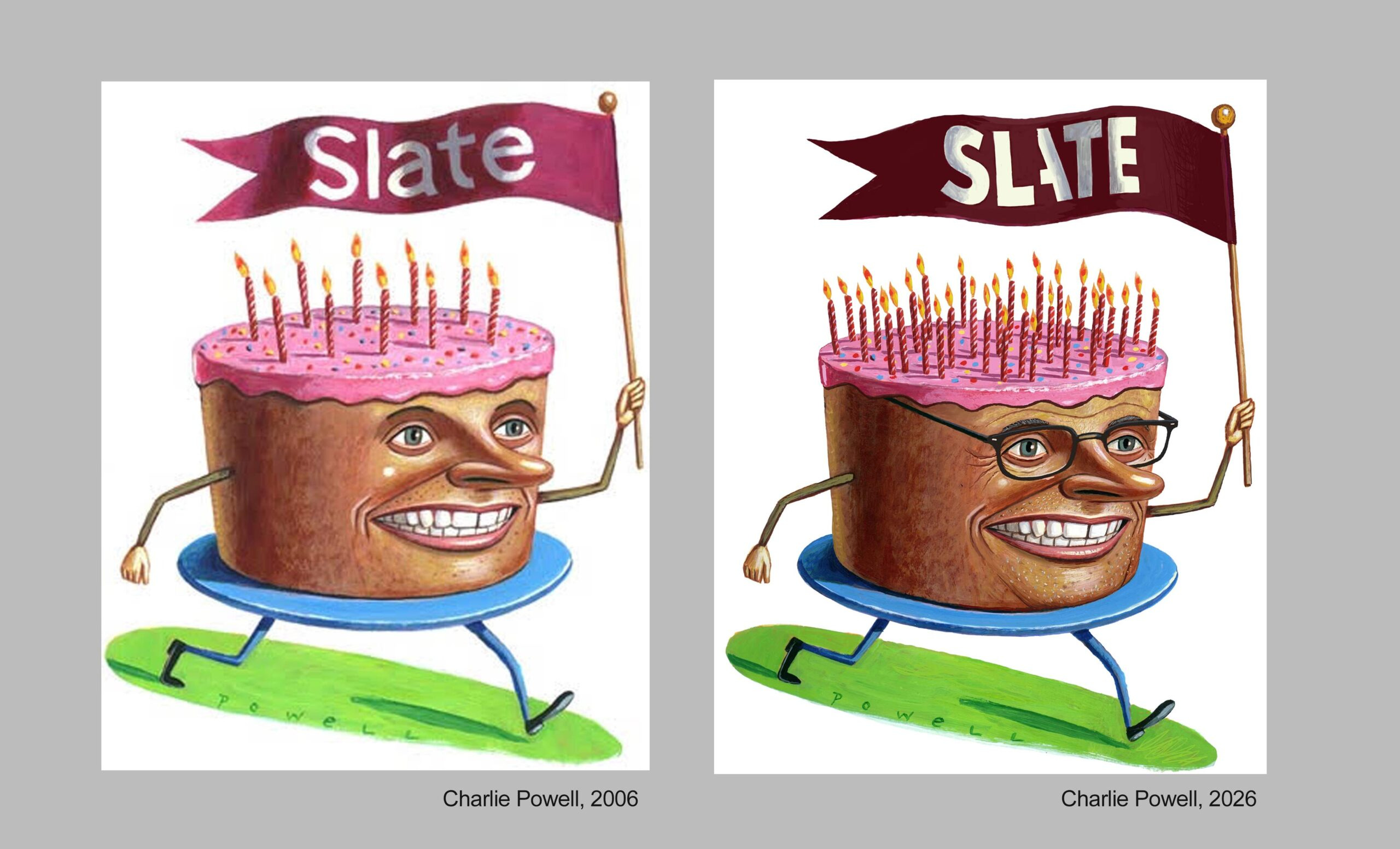
To celebrate its 30th anniversary, Slate brought back its original 1996 homepage. The team expected nostalgia, but found the early simplicity felt better than today’s dense layouts. It made them (and me) notice how much has been over-designed along the way.
Alright, that’s it for this week’s Creator Weekly. See you in the weekend essay!