


Hey, fellow Stackers 👋, and welcome to Creator Weekly.
This is a brand-new weekly series I’m starting.
Until now, I've been writing creator stories. But stories are slow, while the creator world changes fast. I've always felt that besides in-depth stories, creators also need timely updates, gathered in one place — and that's why I started Creator Weekly.
Of course, the weekend articles will keep coming — I’m also still thinking about how to make the creator stories even better.
In Creator Weekly, every Wednesday, I'll pick out what's worth your time: creator case studies, industry news, creative content, and tips on using creative tools.
I hope it brings you some help, along with new discoveries and a bit of inspiration.
✨ Creator Spotlight
What makes a great logo?
Your account logo is key to how people recognize you. If you’re thinking about improving your logo, or just want to learn more about logo design, this piece by Designer might give you some ideas and inspiration.

The author argues that a great logo usually has five qualities: simplicity, memorability, relevance, versatility, and timelessness.
For me, being unique and easy to remember matters most. When a logo is recognizable enough, people will think of you the moment they see it.
🌍 Creator News
1. The New York Times is investing more in vertical video
Even The New York Times is facing declining search traffic. Its answer is to put more into video news — vertical video in particular — because more and more people watch videos on their phones.
2. “Content creation” is becoming a college major
Arizona State University now offers a content creation major. As the creator economy grows, more and more people want creative careers — and universities are starting to respond.
But with "creator" becoming a formal college major, a real question comes up: the industry changes fast, so can college courses keep up with the real creator market? Let's keep watching.
3. Let's catch up on the latest funding news in the creator economy
In the latest funding deals in the creator economy, AI video platform PixVerse and AI music tool Suno both raised large rounds — and they're using the capital to speed up product updates and market expansion.
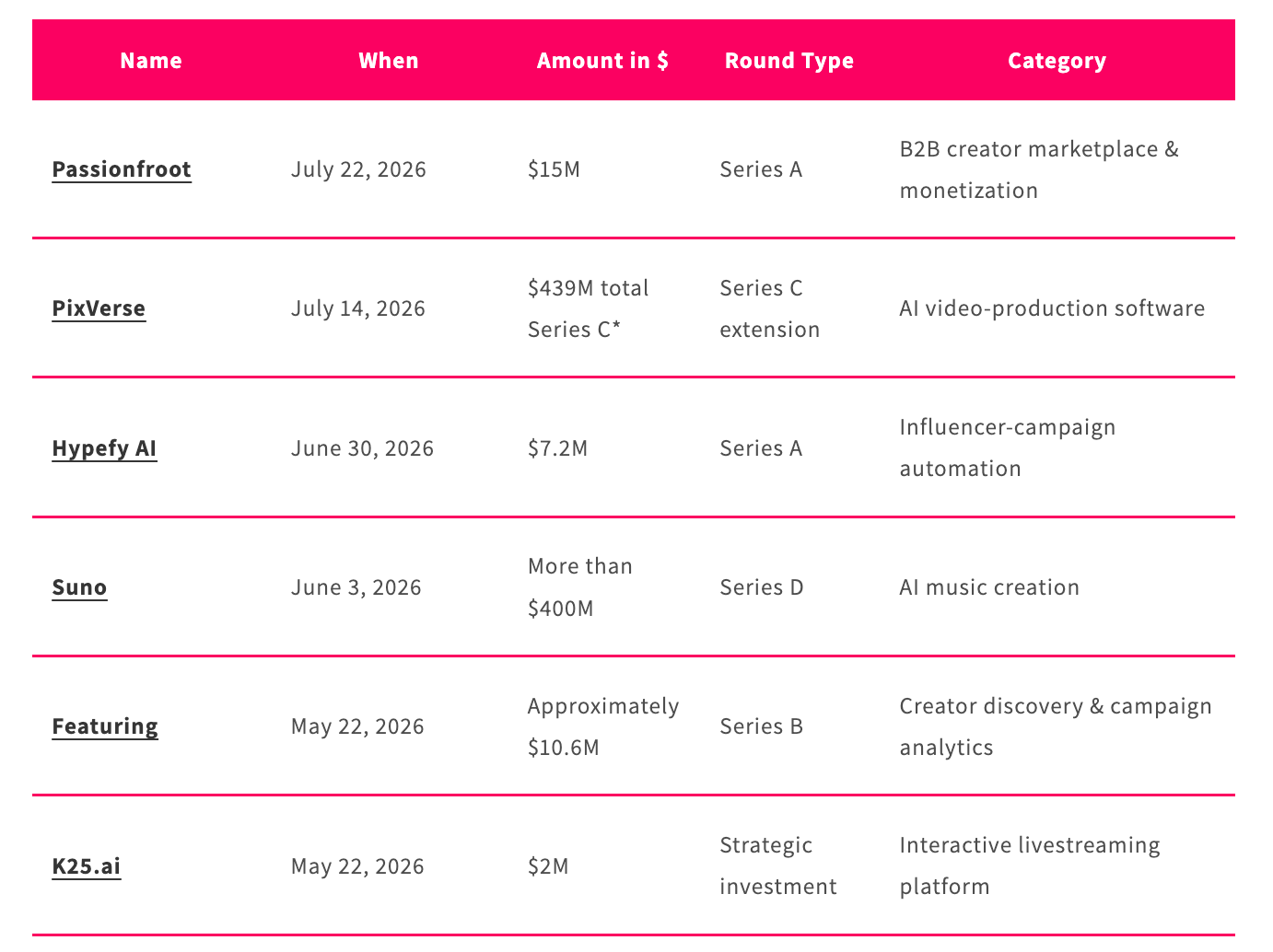
As AI tools keep lowering the barrier to making content, more and more people will join in. And when a flood of similar AI-generated work pours onto these platforms, how can we truly stand out?
I think that as this kind of content keeps growing, people will want truly valuable, in-depth content even more. A distinct personal voice, an audience that trusts you, and the ability to turn influence into income — these will be the rarest strengths for creators today.
🎨 Creator Finds
1. A cartoon-style, kid-friendly heart monitor
Even functional products can have personality in their design. Researchers at Penn State have developed a paintable conductive ink: you paint the electrodes right onto the skin, and they can be used for things like heart monitoring.
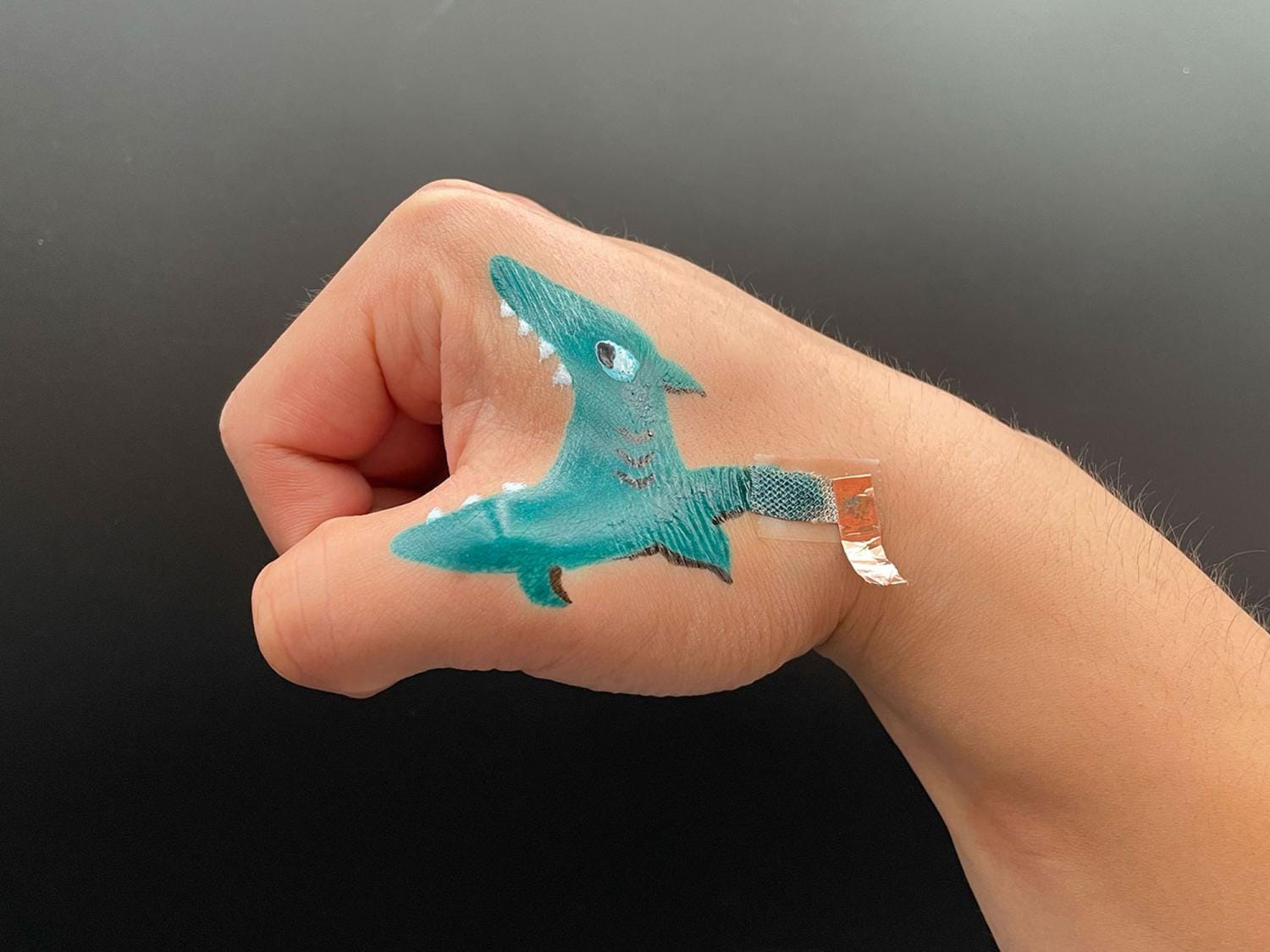
Traditional electrodes are made of stiff metal. This ink fits the skin better, so the readings are more accurate. And the most creative part? You can draw it yourself — any cartoon character you like.
2. Most AI companies aren’t profitable — so how much are they losing on AI?
As a brand-new creator tool, AI is getting a lot of attention. But the AI companies behind it keep spending huge amounts of money — so how much are they actually losing on AI?
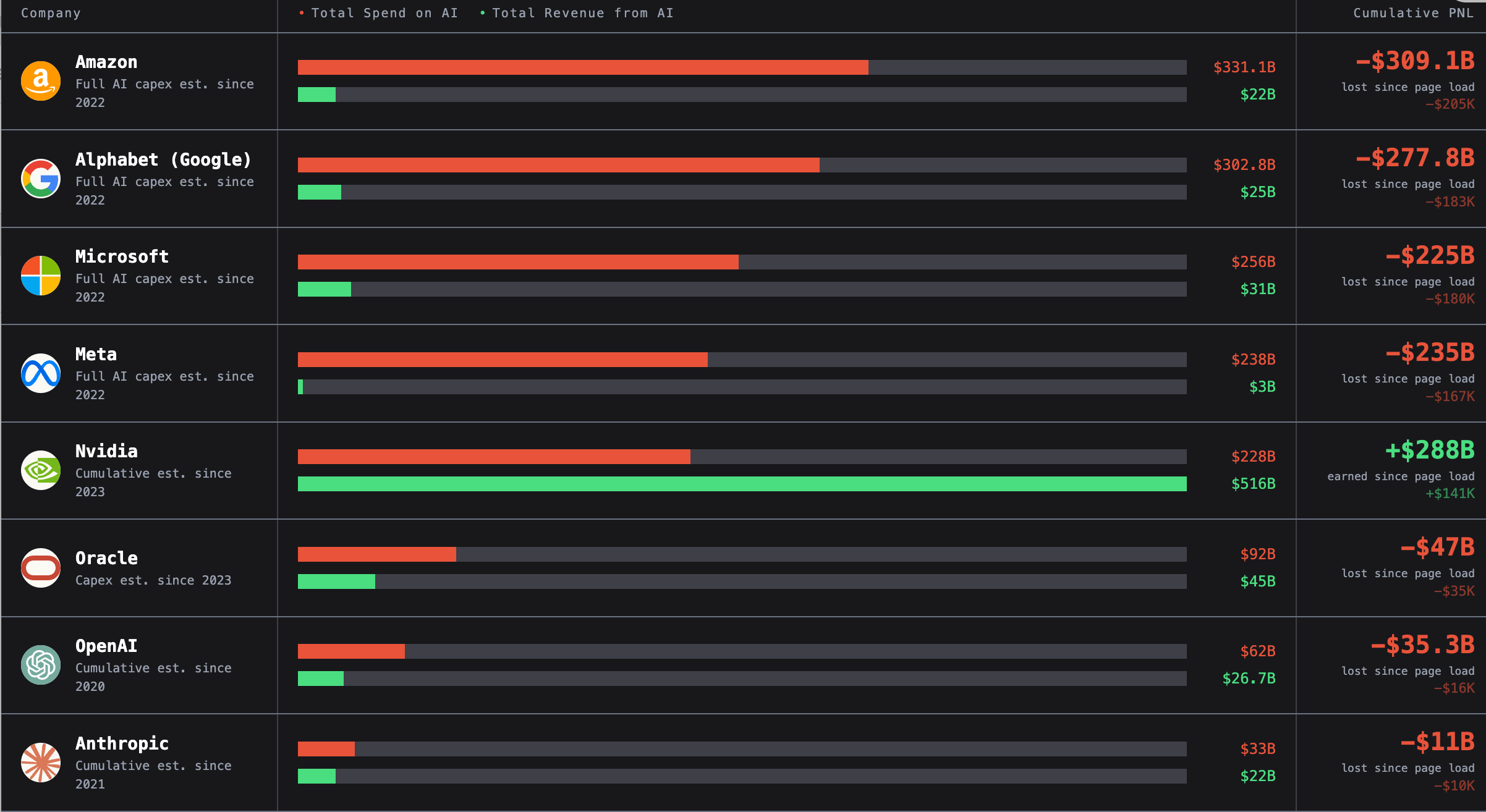
This site shows the estimated AI spending and revenue of major AI companies through July this year. Amazon is losing the most on AI, while NVIDIA — the company providing the computing hardware — is the biggest winner so far.
3. Explore ancient civilizations with a guessing game
If you're into humanities and history, and want a relaxed way to learn about ancient civilizations and artifacts, Anthropeum is a free web game worth trying.
It uses the Metropolitan Museum of Art’s open collection of over 500,000 objects, and picks 10 artifacts from different civilizations each day.
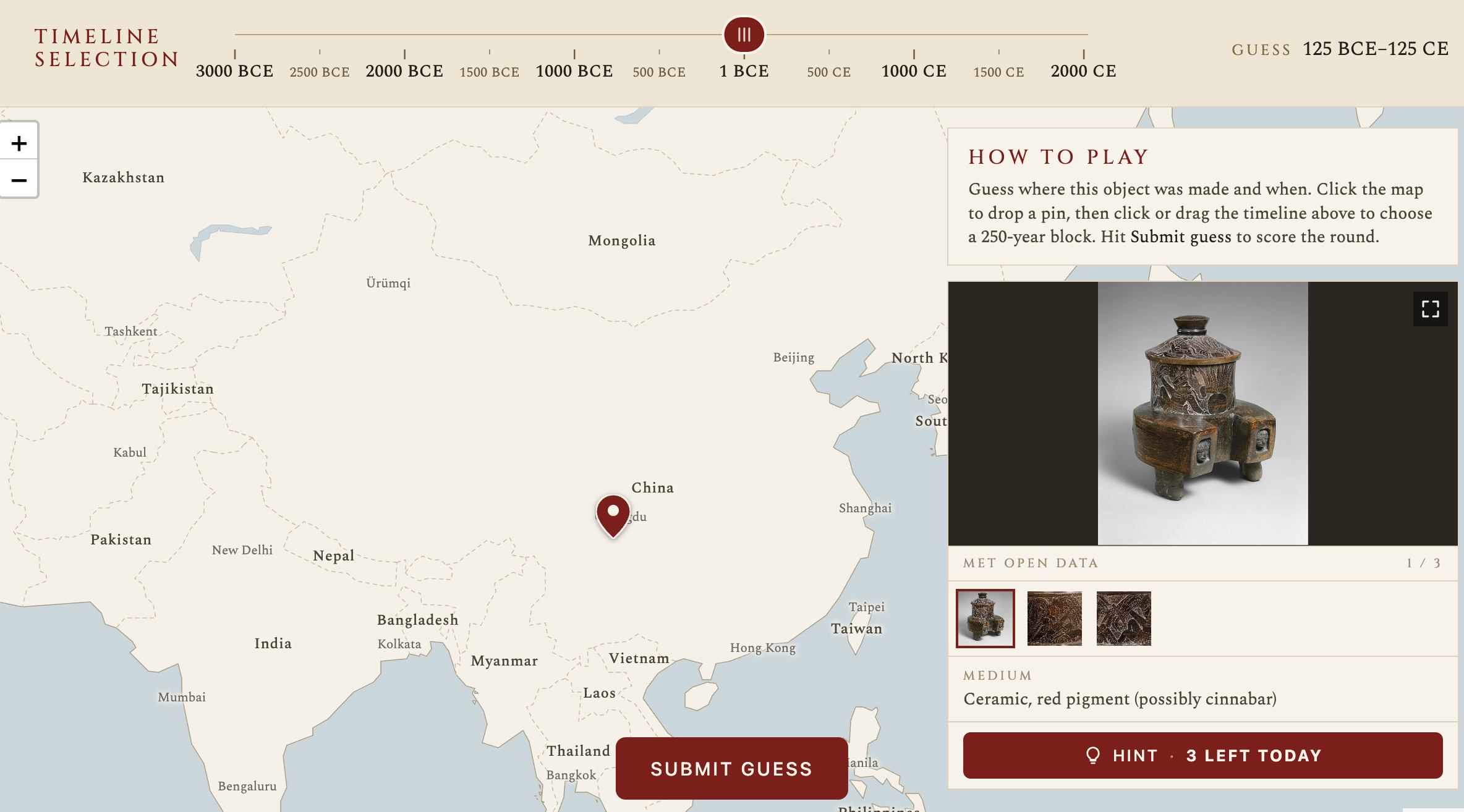
The gameplay is simple: look closely at the object’s shape, patterns, and details, mark where you think it’s from on a world map, then drag the timeline to guess when it was made. After you answer, the game reveals its true origin — along with the museum’s full introduction.
That's all for this week's Creator Weekly :)
This is the very first issue — if you have any thoughts on this new series, I’d love to hear them in the comments. And if you come across something worth sharing, it might show up in next week’s issue.
If you enjoyed this issue, feel free to subscribe.
Enjoy the rest of your week.
Hey! Thanks so much for the shout out! Great article :)